MetaTrader 4 in 2026: what still works and what doesn't
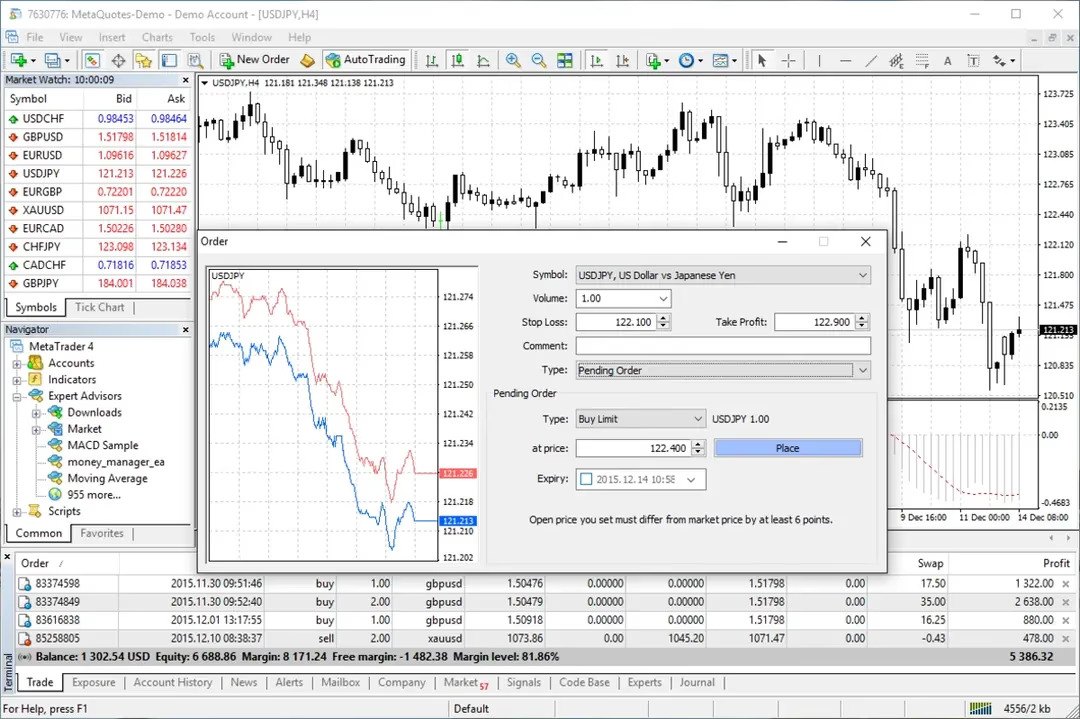
Why traders still pick MT4 over newer platforms
MetaQuotes stopped issuing new MT4 licences a while back, nudging brokers toward MT5. But most retail forex traders stayed put. The reason is simple: MT4 does one thing well. A huge library of custom indicators, Expert Advisors, and community scripts run on MT4. Switching to MT5 means porting that entire library, and few people can't justify the effort.
I've tested both platforms side by side, and the differences are marginal for most strategies. MT5 has a few extras such as more timeframes and a built-in economic calendar, but the charting is nearly identical. Unless you need MT5-specific features, MT4 is more than enough.
Setting up MT4 without the usual headaches
The install process is quick. The part that trips people up is getting everything configured correctly. On first launch, MT4 shows four charts crammed into one window. Shut them all and open just the markets you follow.
Templates are worth setting up early. Configure your go-to indicators once, then right-click and save as template. From there you can apply it to any new chart instantly. Minor detail, but over time it adds up.
One setting worth changing: go to Tools > Options > Charts and tick "Show ask line." MT4 only shows the bid price by default, which makes your entries look off by the spread amount.
How reliable is MT4 backtesting?
MT4 comes with a backtester that gives you the ability to run Expert Advisors against historical data. That said: the reliability of those results copyrights on your tick data. Built-in history data from MetaQuotes is modelled, meaning gaps between real data points are estimated mathematically. If you're testing something beyond a rough sanity check, you need third-party tick data.
That quality percentage in the results tells you more than the profit figure. Anything below 90% means the results aren't trustworthy. I've seen people share screenshots with 25% modelling quality and can't figure out see here why the EA fails in real conditions.
Backtesting is where MT4 earns its reputation, but it's only as good as the data you give it.
MT4 indicators beyond the defaults
MT4 ships with 30 standard technical indicators. The average trader uses maybe a handful. However the real depth is in user-built indicators coded in MQL4. The MQL5 marketplace alone has a massive library, ranging from basic modifications to complex multi-timeframe dashboards.
Adding a custom indicator is simple: copy the .ex4 or .mq4 file into your MQL4/Indicators folder, reboot MT4, and the indicator shows up in the Navigator panel. One thing to watch is reliability. Publicly shared indicators vary wildly. Some are genuinely useful. Others are abandoned projects and may crash your terminal.
If you're downloading custom indicators, look at the last update date and if users report issues. A broken indicator doesn't only show wrong data — it can lag your entire platform.
Risk management settings most MT4 traders ignore
There are a few native risk management features that the majority of users never configure. First worth mentioning is the maximum deviation setting in the new order panel. It sets the amount of slippage you'll accept on market orders. Without this configured and the broker can fill you at whatever price the broker gives you.
Everyone knows about stop losses, but the trailing stop function is underused. Right-click an open trade, choose Trailing Stop, and set a distance. The stop adjusts with the trade goes in your favour. Not perfect for every strategy, but for trend-following it reduces the urge to sit and watch.
These settings take a minute to configure and the difference in discipline is noticeable over time.
EAs on MT4: what to realistically expect
Expert Advisors on MT4 sounds appealing: set rules, let the code trade, walk away. In reality, most EAs underperform over any decent time period. Those advertised with perfect backtest curves are often over-optimised — they look great on the specific data they were tested on and break down the moment the market does something different.
That doesn't mean all EAs are worthless. A few people code custom EAs for well-defined entry rules: entering at a specific time, managing position sizing, or taking profit at set levels. That kind of automation tend to work because they do mechanical tasks that don't require judgment.
If you're evaluating EAs, test on demo first for a minimum of a few months. Forward testing reveals more than any backtest.
Using MT4 outside Windows
The platform was designed for Windows. Running it on Mac face a workaround. The traditional approach was emulation, which was functional but came with display glitches and the odd crash. A few brokers now offer macOS versions wrapped around Crossover or similar wrappers, which is an improvement but still aren't true native apps.
MT4 mobile, available for both iPhone and Android, work well for keeping an eye on open trades and managing trades on the move. Full analysis on a phone screen doesn't really work, but closing a trade on the go has saved plenty of traders.
Check whether your broker offers a proper macOS version or just Wine under the hood — the difference in stability is noticeable.